












Art of the Hold

0
artOfTheHold thumb

Keeping Stillness Alive

There’s a moment in animation that trips up a lot of people, and it’s not a complex breakdance or a tricky overlap. It’s the pause. The hold. That beat between movements where nothing is really happening, yet is so important to the expression.

Done well, a hold has presence. The character feels like they’re thinking, reacting, existing. Done poorly, it looks like the video froze and the audience disconnects. Getting holds right is one of those skills that doesn’t get talked about enough, probably because it seems like the “absence” of animation rather than animation itself. But a hold is never really the absence of anything. It is an important part of animation. If holds didn’t exist, a character would be constantly moving, distracting from important elements in the shot.


What are Holds For?

Generally speaking, holds are meant to draw attention to a specific beat or moment within an animation. If a character is constantly moving, emoting, or doing actions, none of those things are on-screen long enough for the audience to take it in.

This is why a lot of the times, when a character performs an acrobatic move, a spinning kick, or even displays an intense emotion, there is a hold built-in to the shot. Once the action happens, the subsequent hold allows the viewer to “absorb” what just happened. You’re giving time for the action to really register.

Where Holds Come From

The hold (specifically, the “dead hold”) has roots in 2D animation, and not entirely for artistic reasons. Animation is expensive, especially traditional, hand-drawn productions. Drawing every frame of a character breathing, thinking, or slightly moving between actions costs time and money, and studios have always had to make decisions about where to spend that budget. Holding a pose, literally drawing one image and keeping it on screen for several frames, was a practical solution. You furthered the story without paying for more drawings.

That economic reality shaped an entire visual language. Animators learned that if a held pose was strong enough, the audience would remain engaged. The drawing had to carry the character’s intention that movement would otherwise provide. A weak pose held for two seconds is just an awkward freeze. A powerful pose held for two seconds is a bold statement.

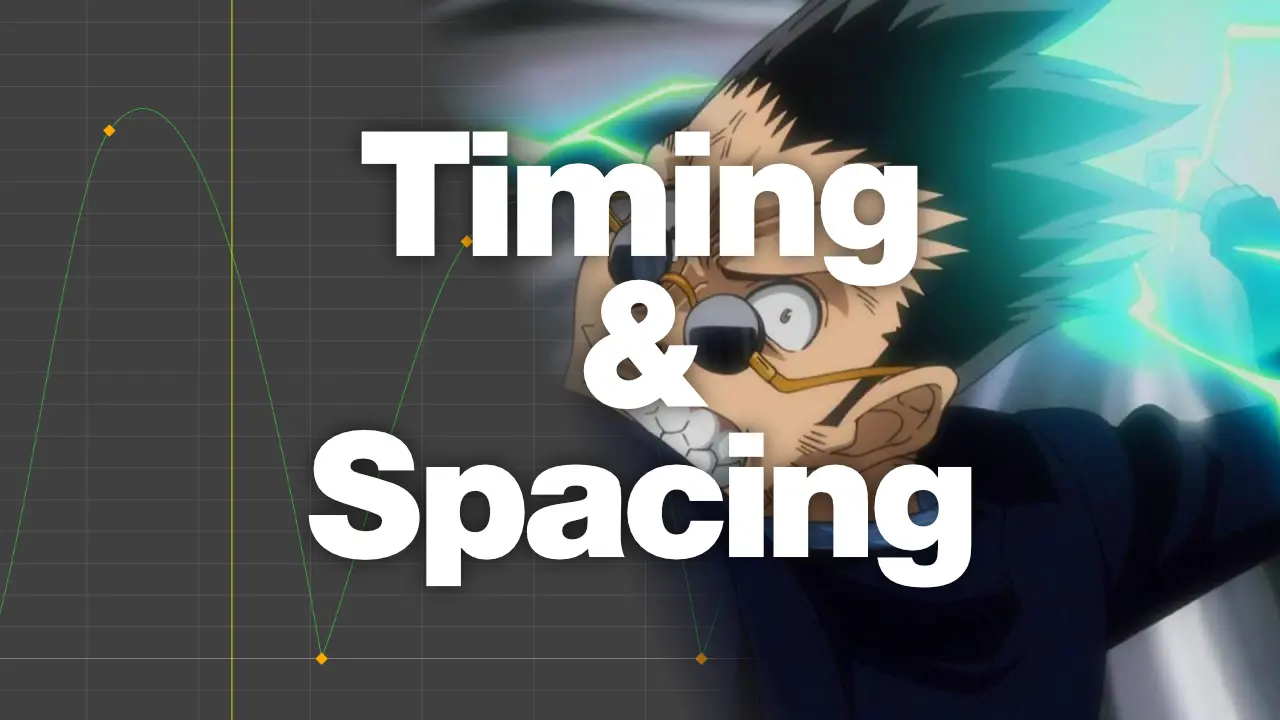
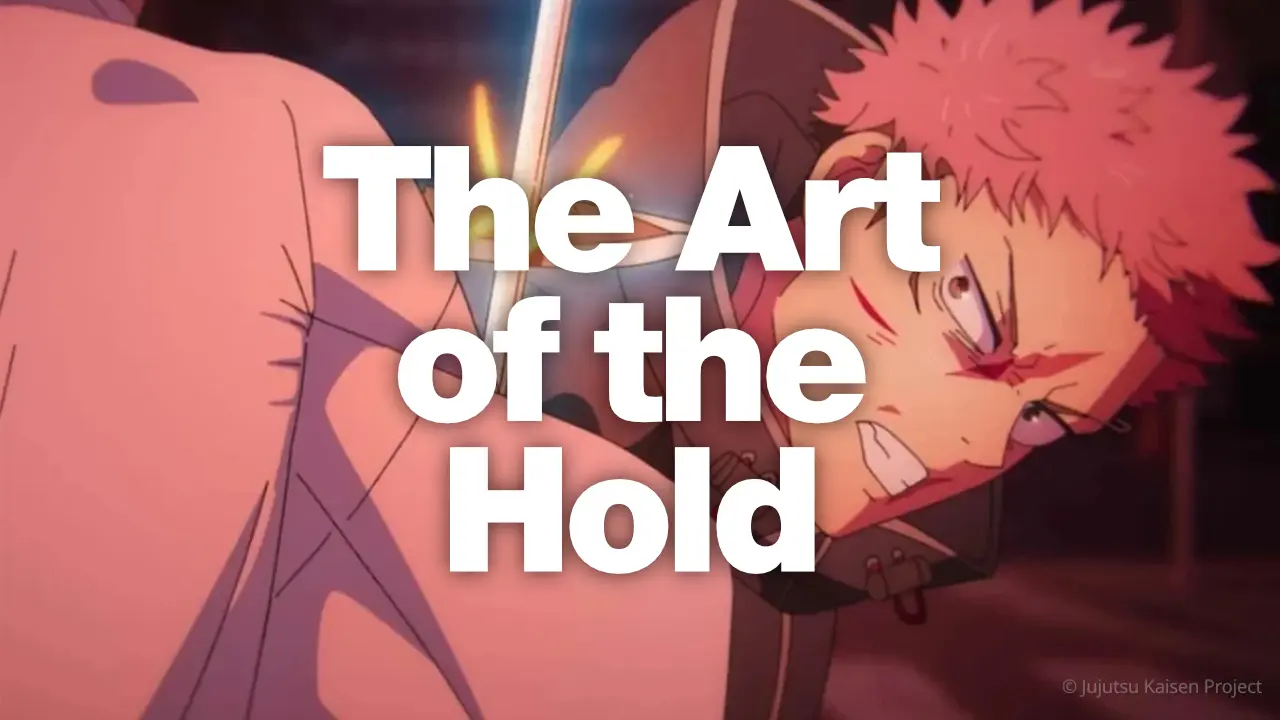
Japanese animation took this further than almost any other form. If you watch a lot of anime, you’ll notice that holds aren’t just common, they’re part of the aesthetic. A single frame, one drawing, held for the duration of a pause or sometimes the entire tail end of a shot before the cut. Done right, it doesn’t read as a budget constraint. It reads as a story-point. The pose is confident enough that the stillness works. There’s also a graphic quality to these holds, a clarity of silhouette, exaggeration of emotion, that makes the image work almost like an illustration. The character lands in the pose, holds, and the shot cuts.

But that only works when the pose itself is doing its job. The held frame has to be expressive enough, readable enough, and well-composed enough to sustain attention without any body motion supporting it. It’s a good reminder that strong posing isn’t just about how something looks during motion. It’s about whether the drawing can stand on its own.


Why Holds Go Dead

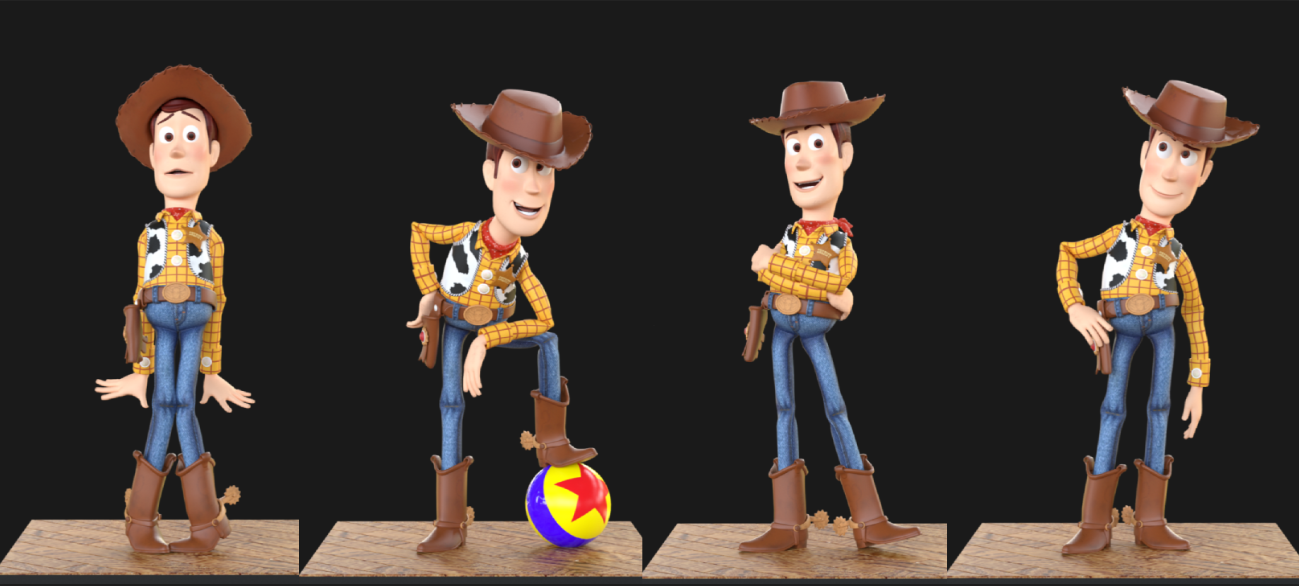
The most common culprit is treating a hold like a parking spot. You get your character to a pose, you like the pose, and you just stop. No thought about what happens inside that stillness, no consideration of what the character is doing while they’re “not moving”. The result is a mannequin. Technically correct, emotionally bland.

Part of the problem is mechanical. When you hold a pose across several frames to create a hold, everything freezes uniformly. The head, the hands, the chest, the fingers, all of them locked in place at exactly the same time. In budget 2D animation, this is fine, and it somehow works, maybe because we have been trained from such a young age to accept it. But real bodies don’t do that. Even when a person is trying to stay completely still, they’re breathing. Their eyes are are darting. There are micro-movements happening in the arms, fingers, and the torso. The stillness of a living thing is still dynamic, even when it reads as silent. And with the advent of 3D animation, we don’t have the same budgetary constraints as 2D animation sometimes does. We can make stillness move, which we’ll get to later.

The other part of the problem is conceptual. A hold isn’t necessarily a rest state. A character in a hold is still in the middle of something, whether that’s processing a piece of information, deciding what to say next, bracing for something that’s about to happen, or confidently ending a cool action they just did. The hold-pose should clearly communicate that.


Japanese Animation: a Master-Class of the Hold

Here’s something to pay close attention to if you haven’t noticed already. In a lot of Japanese animation, a character can be in a complete hold, not a single part of the body moving, and the shot still feels alive, even in full 2D productions.

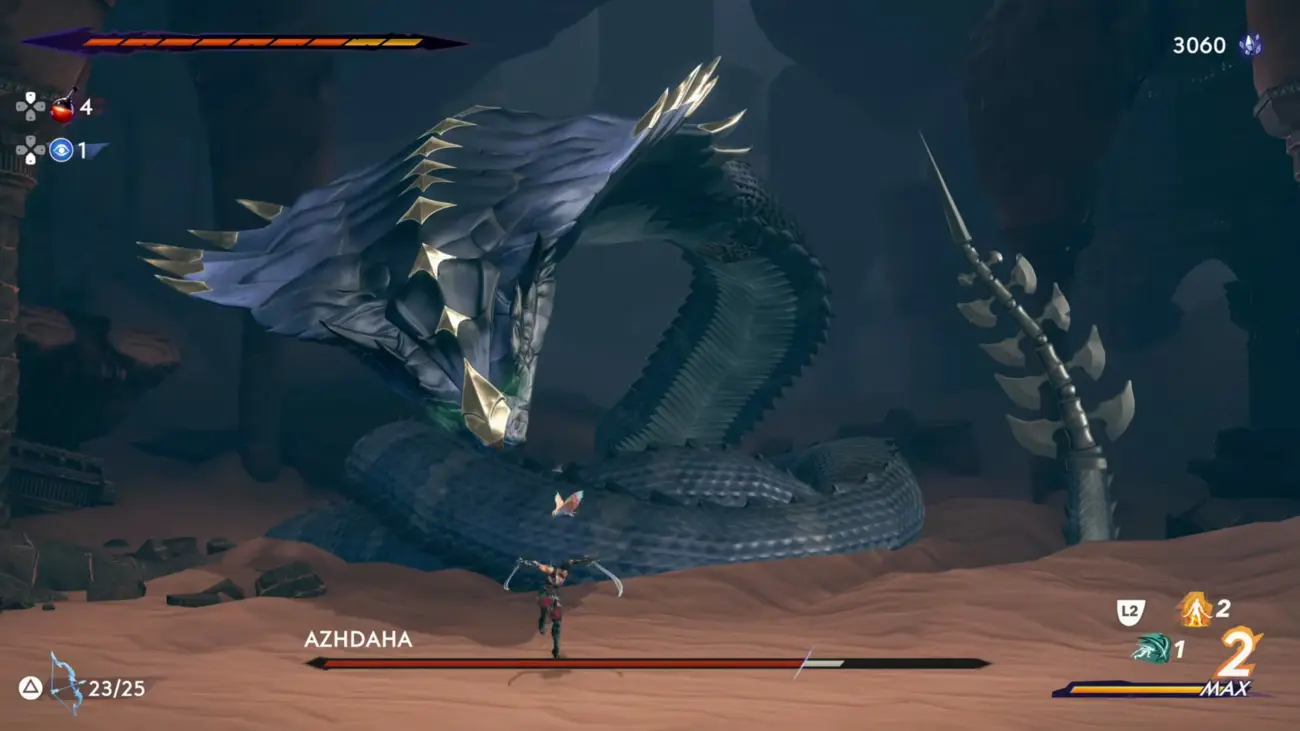
The trick is not only in anime’s style of extremely strong posing, but also secondary motion. Hair, clothing, ribbons, capes, loose fabric, anything with physical follow-through keeps moving even after the character has stopped.

You might be thinking “But you just said if the pose is strong enough, it can be held with nothing else moving!” You are correct. But adding additional secondary motion on top of a dead-hold is just creamy icing on a delicious cake.

It works because secondary elements carry the physics of the moment, it adds detail. A character who just turned sharply and landed in a hold: their hair is still swinging through the arc of that turn. A character standing in wind: their coat is moving continuously while they stay perfectly still. The secondary motion provides the sense that time is passing and that this is a real, physical space, even though the character themselves aren’t contributing anything to that. The viewer’s eye has something to follow, and the shot doesn’t feel frozen.

This is a very useful technique, whether 2D or 3D. If you’re working with a character who has secondary elements, those elements don’t have to stop when the character does. Letting them follow-through and settle, or keeping them in a slow wave if the environment justifies it, can carry a hold that might otherwise feel flat. The character’s body can be locked and the shot can still have life.

It also puts a lot of emphasis on how well those secondary elements are animated in the first place. Stiff, unconvincing hair or clothing won’t save a dead hold. But secondary motion that’s responsive to the character’s prior movement, and that settles or flows naturally, adds a layer of believability that the held pose alone can’t provide. There are many tools accessible to animators that can help with creating excellent secondary motion without needing to be a simulation expert.


The “Moving Hold”

As written in Richard Williams’ The Animator’s Survival Kit, moving holds maintain subtle motion of the body while still expressing the pose. Simply: you would create a strong, appealing key pose at the end of your hold timing, then would have the character reach this key pose, but only just slightly before the extreme “shape” of the pose. Selecting all controllers and, at the start of the hold, using a tool like TweenMachine or animBot’s Tweener and adjusting the slider very slightly will create this moving hold. This explanation is a very simplified version of the technique. You can select different parts of the body to move more or less during the moving hold by adjusting the slider by different amounts for each controller.

In older 2D feature films, moving holds were commonly done, but, again, they are very expensive to produce, as slight variations in each frame during the hold had to be hand-drawn, hand-inked, hand-colored, and shot separately. We’re working in 3D, so this stuff is “free”.

The Breathing Hold

In games or 3D, the simplest way for keeping a hold alive is to put breathing back in. This doesn’t mean big, visible inhales and exhales. It means subtle chest movement, a gentle rise and fall that keeps the torso feeling inhabited. The amount varies by character and context: a nervous character might breathe a little higher in the chest, a relaxed one through the belly, an exhausted one with slightly more effort. You’re not animating breathing as a performance, you’re animating it as evidence of life.

Once the chest has some movement, a lot of other things naturally start to feel more alive. The shoulders will drift slightly with it. If you’ve got secondary hair or clothing, those start to feel more plausible. The hold stops reading as frozen and starts reading as stillness in the character, depending on the subtlety and context.

Doing this could be considered opposite of the above-mentioned moving hold, as you would hit the extreme before the end of the hold. The final keyframe of the hold would be the slightly relaxed pose.


Weight

Another simple method to adding life to a hold is to consider the weight of parts of a character’s body. If your character tenses-up and brings their shoulders and arms upward, bending the arms and clenching their fists, slowly bringing the arms downwards (after hitting the “tense” pose) during the hold shows weight and keeps the character alive. Slightly releasing tension in the shoulders and fists during the hold would also help with this. Just be sure to maintain the feel of the extreme pose, don’t deviate too far from it.


Holds During an Antic

A hold before a big action is one of the most powerful tools you have, and also one of the easiest to overlook. The temptation is to treat the antic as just a single pose to telegraph an action, but holding the antic pose (especially as a moving hold) can actually make the action feel much stronger.

The antic pose going into that hold is extremely important. If your character is about to throw a punch, the hold at the windup (the antic) should already be expressing the intention. The fist drawn back, the focus of the character’s eyes, the twist in the torso. Adding time for a moving hold will make the antic feel like a stretched rubber band, ready to snap out. One of my early professional animation mentors, Jay Falkner, once told me: the longer you hold an antic, the faster the action can be. And he’s right. The audience can “feel” the action before it even happens, so the action can be fast, almost imperceptible, but the viewer can feel the speed.

“Feeling” an action is arguably more important than “seeing” it.


Contrast in Timing

One reason holds fffeel flat is that the timing of the holds match the surrounding animation. If everything in a scene is moving at roughly the same rhythm (including the holds) they all blend together, flatly . But if you build timing-contrast during the blockout stage, the holds will punctuate the movements, instead.

Think about it the way you’d think about timing in music. A “rest” in music isn’t silence, it’s a moment that’s been assigned to nothing, and it only has meaning in relation to the notes around it. A hold in animation works the same way. The stillness is defined by what comes before and after it. If you want your holds to be effective, think about the moments that surround them and create different timing to amplify those surrounding actions.


When Holds Should Feel Dead

I guess it goes without saying: if your shot needs a dead hold, do it! A character who’s gone into shock, a moment of dissociation, a comedic beat where the stillness itself is part of the punchline. There are cases where you want the hold to feel airless and flat, because, well, that’s the performance. Knowing when to lean into that is just as much a skill as knowing how to avoid it. You just have to know the intention of your shot. But your director will most-likely let you know before you even set a key.

The difference is that in those cases, the deadness is a choice you’re making, not a default you fell into. Intentional flatness reads differently than accidental flatness.


The Takeaway

Holds are a lot more important than we may think, and they reward the same attention you’d give any other part of a shot. Build breathing back in. Let poses settle before they lock (moving holds). Treat antics as tension-builders. And pay attention to the contrast in timing of your holds so the stillness actually accentuates the movements.

And don’t forget about the various tools available that help with secondary motion. Use these tools to your advantage, but make sure you work your pose to be as strong as possible before touching any secondary motion.

The goal is to accentuate your animation by using a technique that traditionally had no animation. The fundamental usage still remains, but today, we have techniques that allow us to add even more life to frames that typically were held “dead”.

Leave a Reply