The conversation around AI in game animation has a predictable shape. On one side: alarm, job-loss anxiety, and declarations that animation as a craft is under threat. On the other: dismissal, arguments that AI can never replicate genuine artistic skill, resulting in a refusal to engage seriously with what’s actually happening.
Both positions miss the point. The honest assessment, from practitioners who are actually working in game animation right now, using these tools, watching how studios are adopting them, is more nuanced and more useful than either extreme.
AI will not replace skilled game animators in the foreseeable future. But the animators who treat AI as something to ignore until it goes away are taking a possible career risk.
What AI in Game Animation Is Actually Doing Right Now
Let’s be specific rather than abstract. Here’s where AI tools are currently having a real impact in game animation pipelines:
Mocap cleanup and retargeting. Cleaning motion capture data is painstaking, time-consuming work, fixing foot sliding, correcting artefacts, smoothing noise, ensuring the animation reads cleanly on the target skeleton. AI-assisted cleanup tools are getting measurably better at automating parts of this workflow. They don’t replace the animator’s eye and judgement, but they can reduce the hours required significantly.
AI motion capture from video. Tools that extract skeletal animation data from ordinary video footage have improved substantially. The results still require cleanup, especially for subtle motion and expressive facial animation. But for broad body movement, secondary characters, crowd animation, and rapid prototyping, video-based AI mocap is now genuinely usable in ways it wasn’t three years ago.
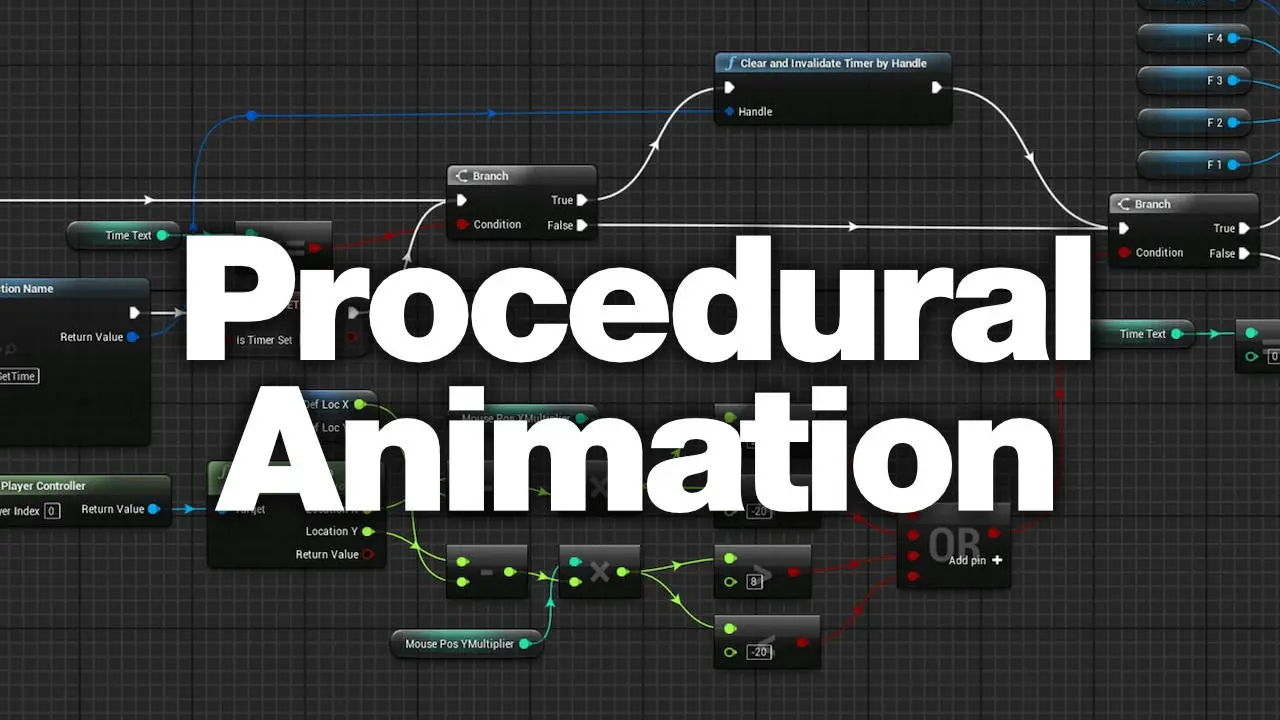
Procedural locomotion and motion matching. This is perhaps the most significant area for game-specific animation. Motion matching, which selects and blends animation clips based on character state and predicted movement, is already used in many AAA titles. AI-generative approaches like those being developed by Motorica and others are beginning to complement this, potentially reducing the volume of captured or hand-keyed animation required for locomotion systems.
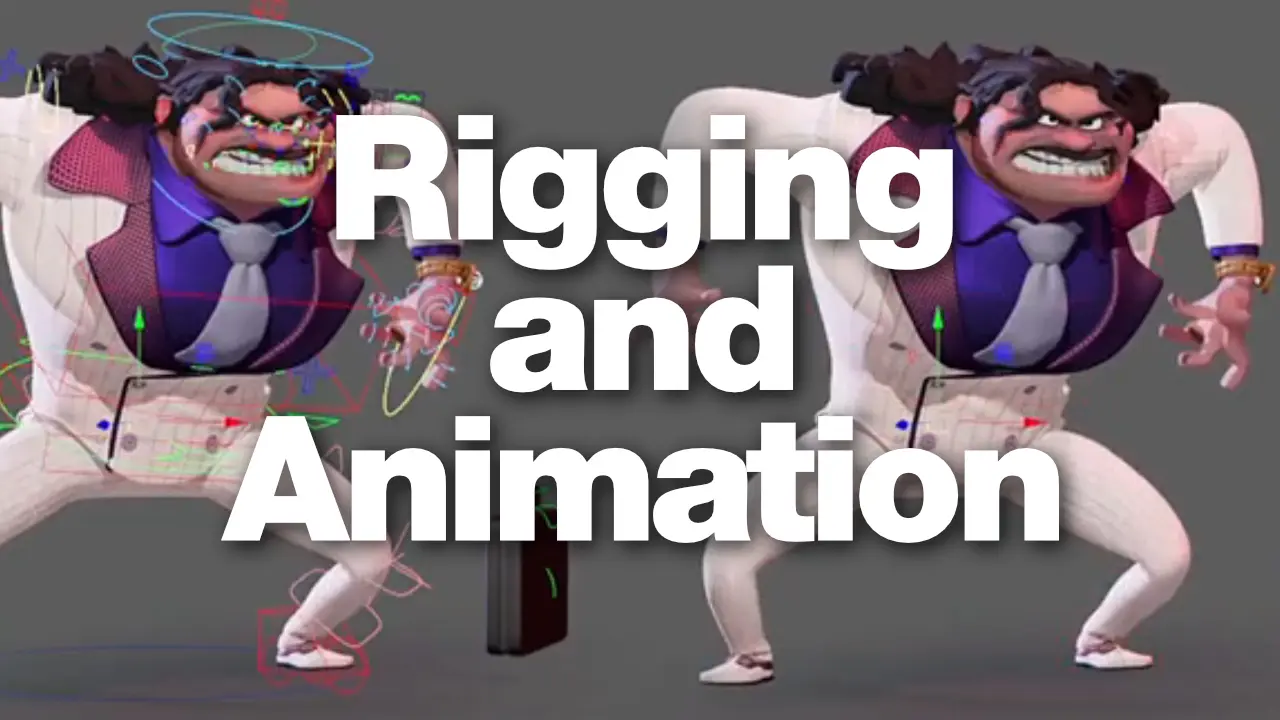
AI-assisted rigging. Building a production-quality rig is technically demanding and time-consuming. AI-assisted rigging tools are beginning to automate parts of this process, particularly skeleton placement, weight painting, and basic control setup. This doesn’t eliminate the need for skilled riggers, but it changes what the job looks like.
Where Human Animators Remain Irreplaceable in AI-Assisted Game Animation
The capabilities that AI tools currently lack, and that represent the most durable foundation for an animation career, are worth understanding clearly.
Intentional storytelling. Animation is a performance art. The best game animation communicates character, intention, emotion, and physicality in ways that serve the game’s narrative and feel. This requires understanding of what a scene is trying to achieve, how a character thinks and feels, and how subtle choices in timing and weight communicate subtext. AI generates plausible motion. It doesn’t yet generate meaning.
Directorial judgement. An animation director shapes the look and feel of a game’s characters at a fundamental level. This involves making creative decisions about style, establishing pipelines that serve the team, giving feedback that elevates the look, and maintaining a coherent vision across dozens or hundreds of animation assets. This is a deeply human, collaborative role that depends on experience, taste, and communication skills that AI doesn’t approximate.
Complex problem-solving in context. Game animation doesn’t happen in isolation. It interacts with gameplay systems, physics, player input, engine constraints, and the work of programmers, designers, and other artists. Navigating that complexity, finding solutions that work technically, feel right to play, and serve the game’s design, requires contextual reasoning and creative problem-solving that remains firmly human.
Performance capture direction. Motion capture sessions require a director who can communicate with actors, recognise great performances in real time, identify what’s missing and call for additional takes, and make creative decisions under production pressure. This is a skill that combines animation knowledge, acting understanding, and interpersonal communication which is not a task for software.
The Real Risk: Productivity Gaps
Here’s the practical concern that experienced practitioners raise most often. It’s not that AI will replace animators wholesale. It’s that an animator who uses AI tools effectively might be able to produce significantly more work in the same time than one who doesn’t.
If AI-assisted mocap cleanup reduces that part of the workflow by 40%, AI-assisted rigging tools reduce setup time meaningfully, and procedural systems handle a portion of locomotion variation automatically, the result may be that studios are able to ship games with smaller animation teams, or expecting higher output from existing headcount.
That’s a different shape of risk than “AI replaces animators,” but it’s a real one. The animators who understand these tools and integrate them into their workflow will be more productive, more valuable to studios, and more competitive in the market. The ones who avoid them won’t disappear overnight, but they’ll be playing catch-up in a market that rewards adaptability.
A Practical Approach
The most useful posture toward AI in animation is neither anxiety nor dismissal. Informed, selective engagement is the best course of action.
Start by identifying which parts of your current workflow are repetitive, time-consuming, and don’t require creative judgement. Mocap cleanup is the obvious example, but there are others. Research which tools are currently available that address those specific tasks. Experiment with them. Form an honest view of where they genuinely help and where the current limitations mean human work is still faster or better.
Stay current without chasing every new tool release. The landscape is moving quickly enough that spending time on tools that won’t be part of your pipeline wastes effort you could spend on animation. But disconnecting entirely, not knowing what Autodesk Flow Studio is, or what Motorica does, or how AI mocap has progressed, is a form of professional negligence at this point.
Invest in the skills that are hardest to automate. Deep understanding of performance and storytelling. Strong directorial instincts. Technical animation knowledge that spans from DCC to engine. The ability to work effectively in collaborative game development environments. These are skills that compound over a career and remain valuable precisely because they aren’t algorithmic.
The Animators Who Will Thrive
The animators who will look back on this period positively are the ones who engaged with the change rather than avoided it. The role of AI in game animation will only expand, understanding it now puts you ahead. They’ll have used AI tools to become more productive. They’ll have developed skills (technical, directorial, interpersonal) that are genuinely hard to replicate. They’ll have built reputations as practitioners who deliver high-quality work reliably, understand the full production pipeline, and can navigate the complexity of modern game development.
That’s not a different description of a great animator than it was a decade ago. It’s the same description, updated for the tools and context of today.
If you want to develop the career mindset, skills, and strategies that lead to longevity in this industry, through disruptions including but not limited to AI, How to Thrive in the Games Industry is built exactly for that. And for the technical skills that make you a more complete practitioner, from motion capture workflows to Maya plugins that accelerate your work, explore what the Animworks community is building.
Check out my in-depth video on YouTube: