The games industry has never been static. But the pace of change right now, AI tools, engine shifts, widespread studio layoffs, and the rise of freelance, means that animators who aren’t actively evolving their skill sets are falling behind. A game animation career in 2026 looks very different from five years ago, and understanding that gap is the first step to closing it.
This isn’t a reason to panic. It’s a reason to be intentional. The animators who will thrive over the next five years are the ones who understand what studios actually need, adapt accordingly, and position themselves as practitioners who can deliver in the current landscape. Mapping out your game animation career for 2026 and beyond means identifying which skills studios are actively paying for right now.
Here’s a practical breakdown of the skills that define a strong game animation career in 2026, and how to build them strategically.
1. The Most In-Demand Technical Skills for a Game Animation Career 2026
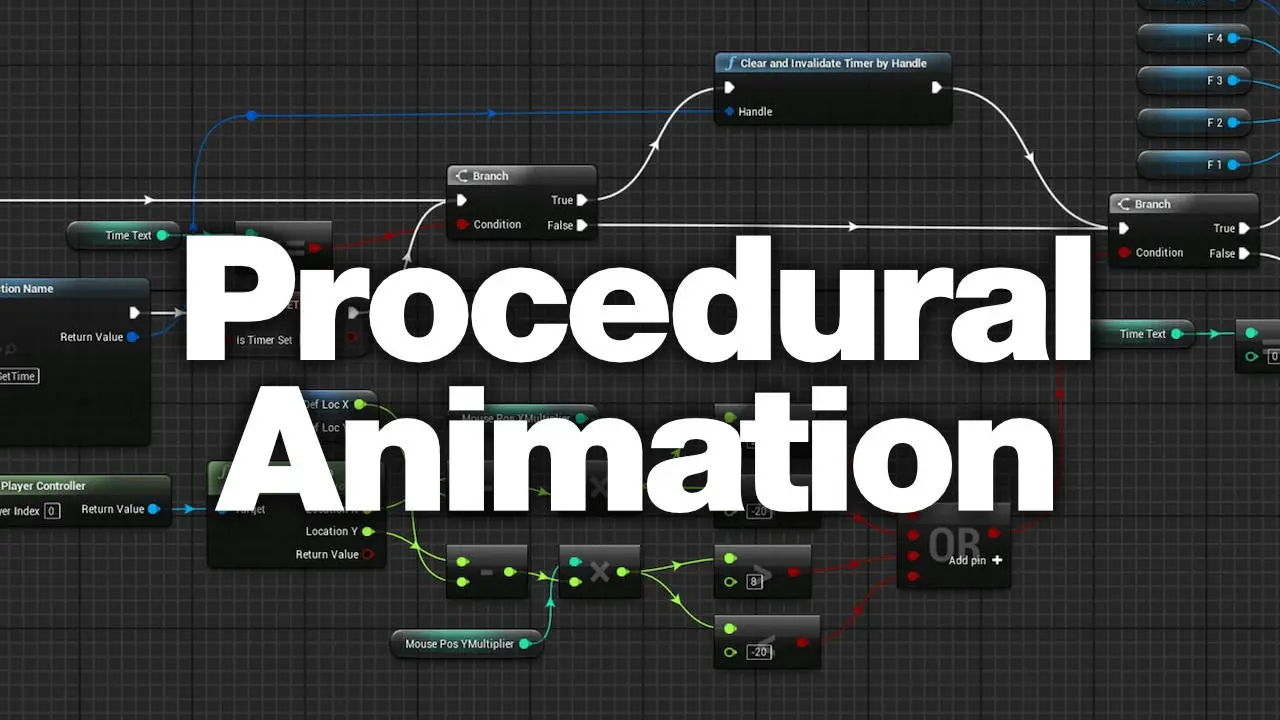
There was a time when “technical animator” was a specific role that only some people filled. Increasingly, studios expect most animators to have meaningful technical skills, working inside game engines, understanding state machines and blend trees, troubleshooting in-engine behaviour, and collaborating directly with programmers on gameplay systems.
If you’re a purely keyframe-focused animator who hands off FBX files and considers your job done, you’re working in a narrower part of the market than you were five years ago. Learning Unreal Engine 5 or Unity, not just as a viewer, but as someone who can set up animation blueprints or animator controllers, is one of the highest-leverage things you can do for your career right now.
2. Understand the AI Tools (Even If You’re Sceptical)
AI won’t replace experienced game animators in the near term. But it is already changing the shape of some roles, compressing timelines, and shifting what studios expect a single animator to be able to produce.
Tools like Motorica for procedural locomotion, Autodesk Flow Studio for AI-assisted motion capture, and various AI cleanup tools for mocap data are moving into professional pipelines. Animators who understand how to use these tools, when to lean on them and when to override them, will be more productive and more hireable than those who refuse to engage with them.
This doesn’t mean wholesale adopting every tool that launches. It means staying informed, experimenting with what’s available, and building an honest picture of where AI genuinely helps and where skilled human craft is still irreplaceable.
3. Motion Capture Literacy Is a Differentiator
Understanding motion capture, how to direct a session, how to clean up mocap data, how to retarget to a game rig, and how to blend mocap with hand-keyed polish, has become a significant differentiator for mid-level and senior animators.
With hardware like the Rokoko Smartsuit now accessible to independent creators, there’s no longer a valid reason to avoid gaining experience in this area. You can build a mocap workflow at home, generate your own performance library, and demonstrate pipeline knowledge that previously required working on a large team.
Studios are also increasingly asking animators to take on more of this pipeline themselves, particularly in smaller and mid-size teams. The animator who can capture, clean, retarget, and implement, rather than waiting for specialist hand-offs, is genuinely more valuable.
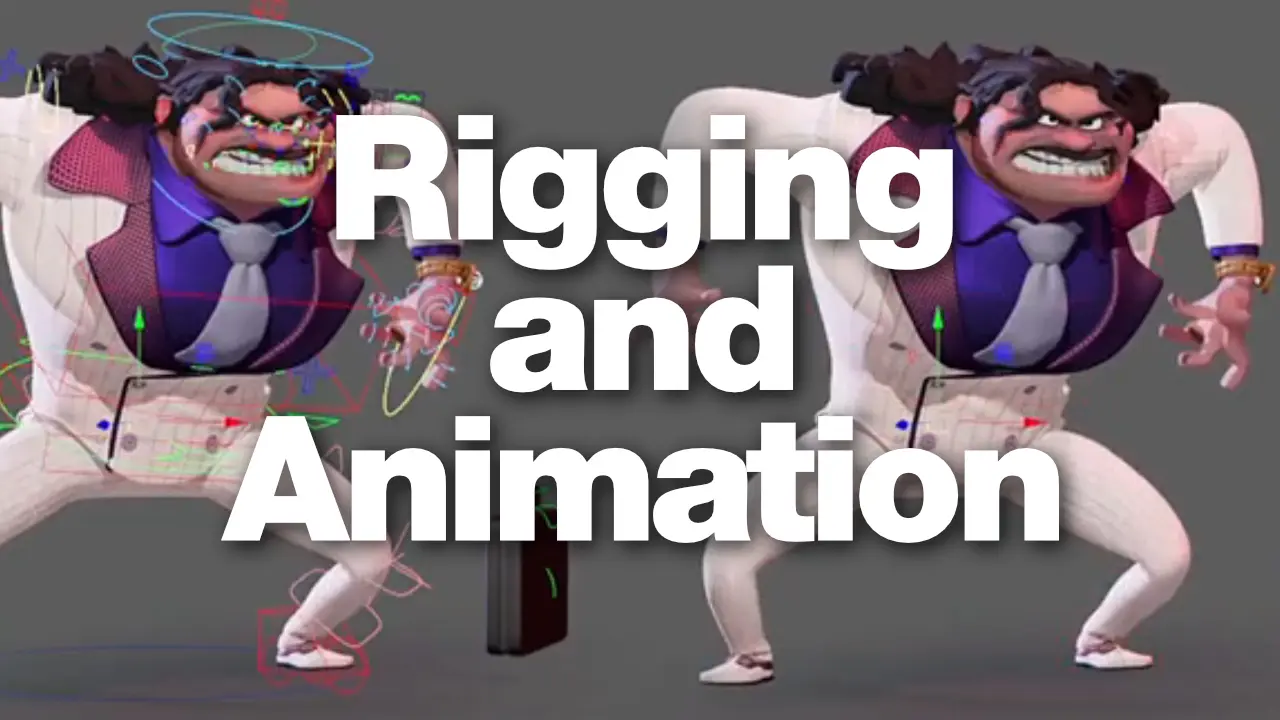
4. Build Skills in Rigging (Even at a Basic Level)
You don’t need to become a full-time rigger. But understanding how rigs work, how constraints are set up, why certain controls behave the way they do, how to fix basic rig issues without filing a ticket, makes you faster, less blocked, and more collaborative with technical artists.
It also gives you the ability to create your own animation tests with quality rigs rather than waiting on others. Studying well-built, animator-friendly rigs is one of the fastest ways to develop this understanding. The Animworks rig library includes rigs built specifically with animators in mind, they’re worth using not just as animation tools but as learning resources for understanding good rigging practice.
5. The Freelance Shift Is Real, Position Yourself Accordingly
The games industry has seen significant layoffs across major studios over the past two years. Many experienced animators have moved into freelance and consulting roles, and studios are increasingly building production capacity through contract engagements rather than permanent headcount.
This creates genuine opportunity for animators who position themselves well. Freelancers who can communicate professionally, deliver reliably, manage client relationships, and work across different engines and pipelines are in demand. The catch is that this requires skills that aren’t taught in animation school, business development, client communication, project scoping, invoicing, and building a sustainable workflow across multiple clients.
These are learnable skills, but you have to be intentional about building them. The alternative, waiting for the permanent employment market to recover to pre-2023 levels, is a risky strategy.
6. Your Portfolio Still Matters More Than Your CV
This is a point that never goes out of date, but it’s worth restating: in games animation, the work speaks for itself. A strong, focused showreel demonstrating real gameplay animation, interesting character performance, and technical competence will open more doors than any credential or job title.
The traps to avoid are a showreel that’s too long (anything over 90 seconds loses hiring managers), too varied without focus, or full of polished but generic animation that doesn’t speak to the specific type of role you’re targeting. Tailor your reel to the studios and roles you actually want. Show the kind of work they make.
If you’re building or rebuilding your showreel, Crafting a Showreel for Games That Studios Will Love is a course built specifically for this, developed by an animation director who has reviewed hundreds of showreels and hired (and passed on) animators for real production roles.
The Long Game
The animators who build long, sustainable careers in games aren’t the ones who were the most talented at 22. They’re the ones who kept learning, stayed adaptable, built real relationships in the industry, and understood that their career was something they were actively shaping, not something that happened to them.
The current moment in the industry is genuinely challenging. But it also rewards adaptability. If you’re willing to evolve your skill set, engage with the tools shaping the field, and think seriously about where you want your career to go, the opportunities are there.
For a deeper dive into building a career that lasts in games, How to Thrive in the Games Industry, The Long Game covers the mindset, strategies, and practical approaches that experienced practitioners use to stay relevant and fulfilled through the inevitable shifts in the industry.
Building a strong game animation career 2026 requires a clear strategy, the right skills, and the discipline to develop them consistently. The animators who thrive over the next five years won’t be the ones who wait to see how things shake out, they’ll be the ones who actively invest in their game animation career in 2026 with the same commitment studios expect from every senior hire. Use this guide as a starting point: identify your gaps, prioritise the skills that matter most for your target studios, and start building. Your game animation career 2026 progression begins with what you do this week, not eventually.