














Your game animation showreel is the most important document in your career as a game animator. Not your CV, not your LinkedIn profile, not your degree certificate. It’s the reel. The reel is the first thing a hiring manager looks for, and in most cases, it’s the last thing they’ll review before deciding whether to invite you to interview.
Yet the number of showreels that fall short, not because the animator lacks ability, but because the reel is poorly structured, unfocused, or mistargets the studio, is remarkable. This guide covers the principles that separate the reels that get responses from the ones that don’t.
What Studios Are Looking For
Different studios make different games, and their hiring criteria reflect that. A studio making narrative RPGs with heavy character performances wants something different from a studio making a fast-paced action game or a sports title. The single biggest mistake animators make is sending the same generic reel for every application.
Before building your reel, or certainly before applying, study the games the studio has shipped. Look at the animation style, the gameplay mechanics, the kinds of characters they feature. Then ask yourself honestly: does my reel demonstrate that I can do that work? If not, what would make it more relevant?
Tailoring your reel doesn’t mean creating a completely different reel for every application. It means knowing which clips to lead with for which studios, and sometimes creating a specific piece which demonstrates that you understand their aesthetic.
The Length Problem
Most showreels are too long. Hiring managers at busy studios may be watching dozens of reels in a single sitting. The standard that experienced animation directors consistently cite is 60 to 90 seconds for the reel itself, and that’s for an experienced animator with a lot of strong work to show. For junior applicants, shorter is usually better.
Every clip that isn’t excellent weakens the overall impression. A 2-minute reel with 90 seconds of great work and 30 seconds of average work will be remembered for the average work. Cut mercilessly. Your weakest clip should still be strong.
The logic is simple: if you can’t hold a hiring manager’s attention for 90 seconds, a longer reel won’t help. If attention is held, you’ve done your job.
Structure Your Game Animation Showreel: Front-Load Your Best Work
The first 10 seconds of your reel determine whether anyone watches the rest. Open with your single strongest clip, the piece that best represents you at your best. Don’t save it for a “big finish.” Assume the person watching might stop at any point and make sure they’ve already seen your best work.
End with your second-strongest clip. People remember the beginning and end of sequences, make both count. The middle is where you can put work that demonstrates range or technical competence without necessarily being your showstopper. A strong game animation showreel follows this structure consistently.
Show the Right Kind of Animation
For games specifically, there’s a hierarchy of what studios want to see. In rough order of priority for most game animation roles:
Gameplay locomotion and combat, walks, runs, idles, attacks, dodges. This is the bread and butter of game animation and most hiring is for roles that require it. If you’re applying for a gameplay animator role and your reel doesn’t have strong locomotion work, you’re making the reviewer work to imagine you in the role.
Character performance and story moments, reactions, conversations, emotional beats. This matters more for studios with strong narrative content, cutscene pipelines, or character-driven gameplay. For some roles it’s the primary requirement.
Technical animation work, blend trees, state machines, in-engine implementation. These skills are increasingly sought after. If you can show that you understand how your animation functions inside an engine, not just how it looks in Maya, you stand out from a significant portion of the applicant pool.
Creature and non-humanoid work, useful for broadening your appeal and demonstrating range, but generally secondary to strong humanoid work unless you’re specifically targeting a creature animation role.
Remember: cut different versions of your reel to focus on the role you’re applying for. The animation specific to that role should be at the top of the reel.
Use Good Rigs
The rig you animate on sends a signal about your standards and your production awareness. Animating on a poorly built free rig with broken deformations and clunky controls creates unnecessary problems and can make your work look worse than it is.
There’s no reason to settle for poor rigs when high-quality, production-grade options are available for free. The Animworks rig library includes character rigs built by highly experienced game industry riggers, the Star Wars, Mandalorian, and Akira bundles are all excellent starting points for showreel work that demonstrates professional-level craft.
Presentation Matters More Than You Think
A clean, professional presentation doesn’t compensate for weak animation. But poor presentation can undermine strong animation. A few practical points:
Use a neutral grey viewport background for Maya playblasts, the default dark grey is standard and doesn’t distract from the animation. Keep your camera work simple and consistent. Don’t use elaborate camera moves unless the animation genuinely benefits from it, mostly it just draws attention to the camera rather than the character.
Include a simple slate at the start: your name, your role, contact information, and the date. Keep music unobtrusive or omit it, the animation should speak for itself. Label clips clearly so reviewers know what they’re watching, especially if you include technical or in-engine footage.
Get Feedback Before You Apply
It’s very hard to objectively evaluate your own showreel. You know what you were trying to achieve, you’re familiar with every clip, and you have emotional investment in the work. All of this makes it difficult to see the reel the way a hiring manager sees it.
Get feedback from people who will be honest, working animators or animation directors, not friends who want to be encouraging. Ask specifically: what would make this stronger? What would you cut? Is there anything missing for the type of role I’m targeting?
Feedback at this stage, before you’ve sent the reel to studios you actually want to work at, can change the outcome significantly.
Keep Building
A showreel is not a finished document. It’s a live representation of where your skills are right now. The best animators in the industry are constantly creating new work, refining old pieces, and updating their reel as their abilities develop. Build the habit of finishing animation pieces, even short ones, on a regular basis. Your reel a year from now should be noticeably stronger than it is today.
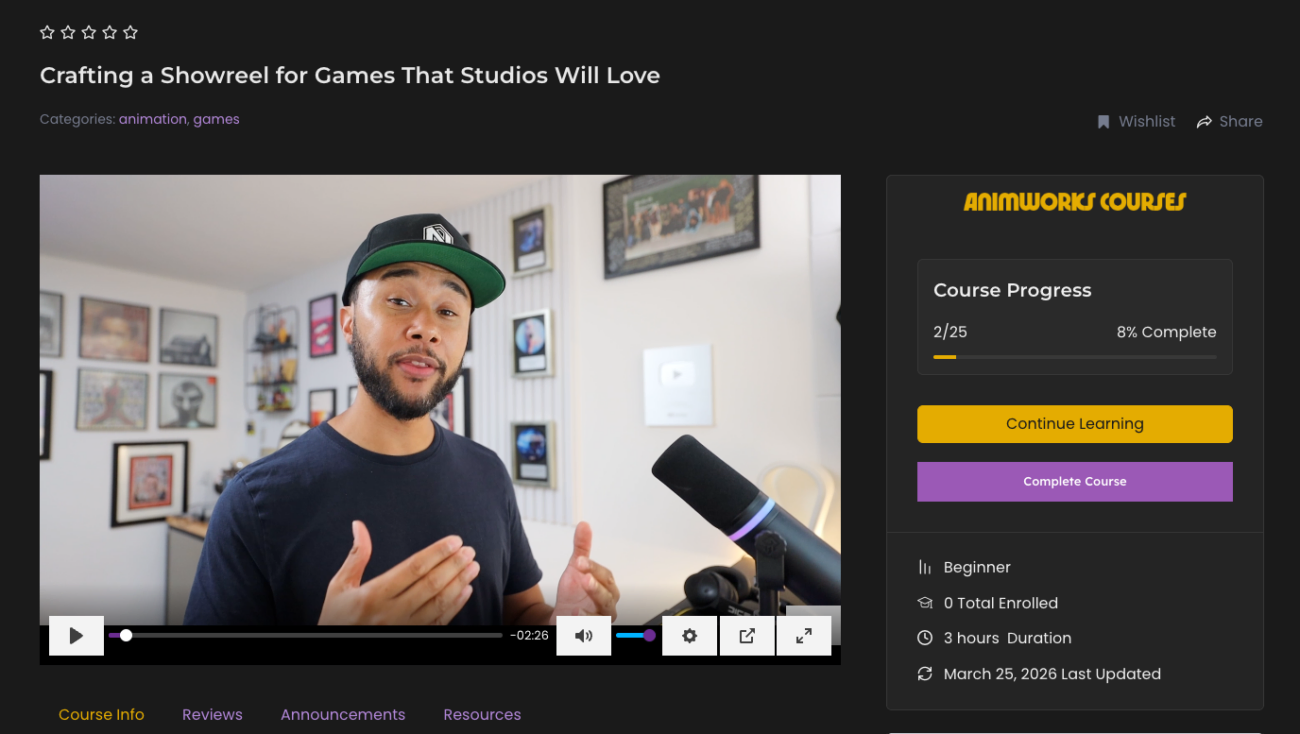
If you want a structured, in-depth approach to building a showreel that speaks directly to games industry hiring managers, Crafting a Showreel for Games That Studios Will Love covers the full process, from selecting work and structuring the reel to presenting yourself professionally and targeting the right roles.
If you’d like to learn more on how to build a Showreel of your own, check out our course here on Animworks:
A great game animation showreel isn’t built in a day, but it’s also not as complicated as many animators make it. The principles are simple: lead with your strongest game animation work, target the studios you actually want to work at, and keep your game animation showreel tightly edited and purpose-built. Review your game animation showreel regularly. The reel that gets you your first job shouldn’t be the same reel you submit three years later.
Related posts

Artist Highlight: Laura Lico (Moss : Book II)

/* Hallmark · component: in-post callout (after ruixen banner-newsletter, rebuilt plain CSS) · genre: editorial · theme: Animwo...
What You Can Learn From… Woody ! Reading Silhouette Like a Pro
Five poses from Toy Story, broken down shot by shot, and how to rebuild each one on the free Woody rig for Maya.
Art of the Hold
Keeping Stillness AliveThere's a moment in animation that trips up a lot of people, and it's not a complex breakdance or a tricky overl...

SKILL BOOSTER: Mastering your silhouette
Silhouette is the first language of animation. A pro game animator breaks down line of action, weight, negative space and the workflow behind poses that read instantly.
Long Productions
Pacing Yourself (and Your Team) Across a Long Production
Every production has a version of the same idea: that the real pressure is at ...
Tight Deadlines
Surviving Tight DeadlinesEvery animator eventually meets the schedule that doesn't care how good your work is, only how fast it ships. ...

Animating, exploring, starting over for twenty years
After twenty years in an animation career, Vanessa Rufra reflects on passion, burnout, starting over, and what truly keeps you moving forward in this industry.
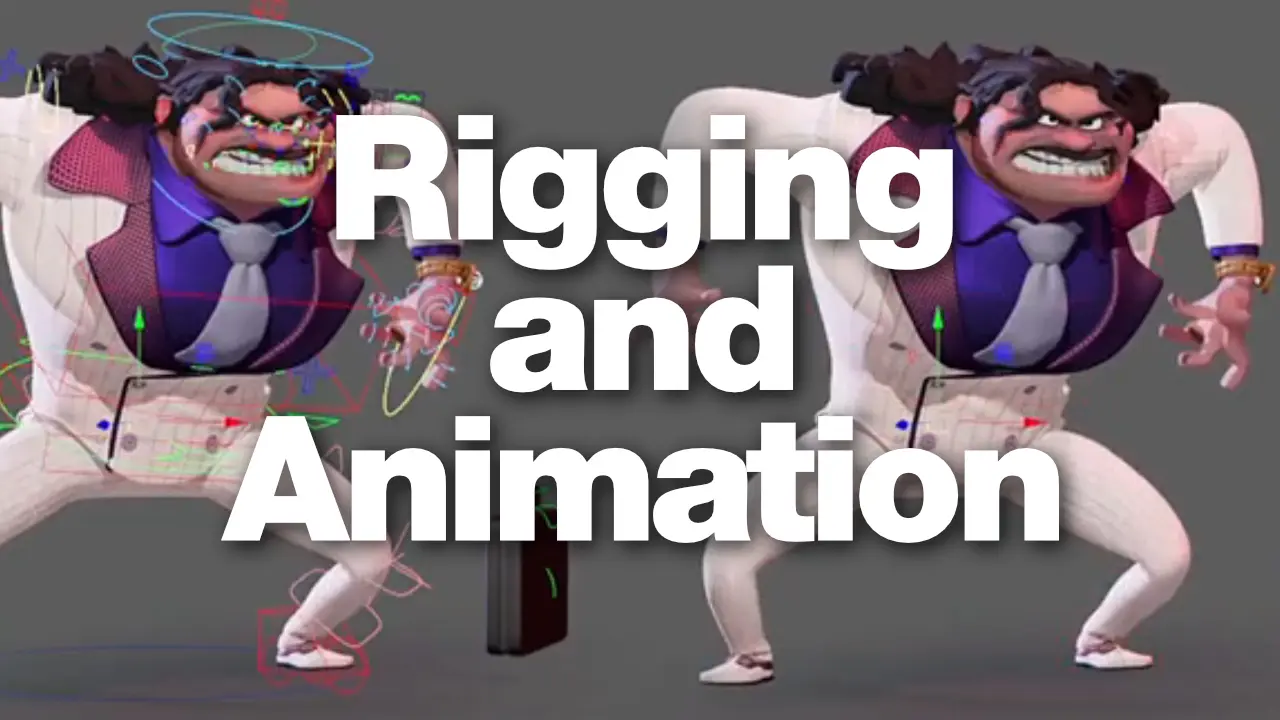
Rigging and Animation
Rigging and Animation: a SymbiosisOn a production, the animation department is going to spend a meaningful amount of time interacting w...
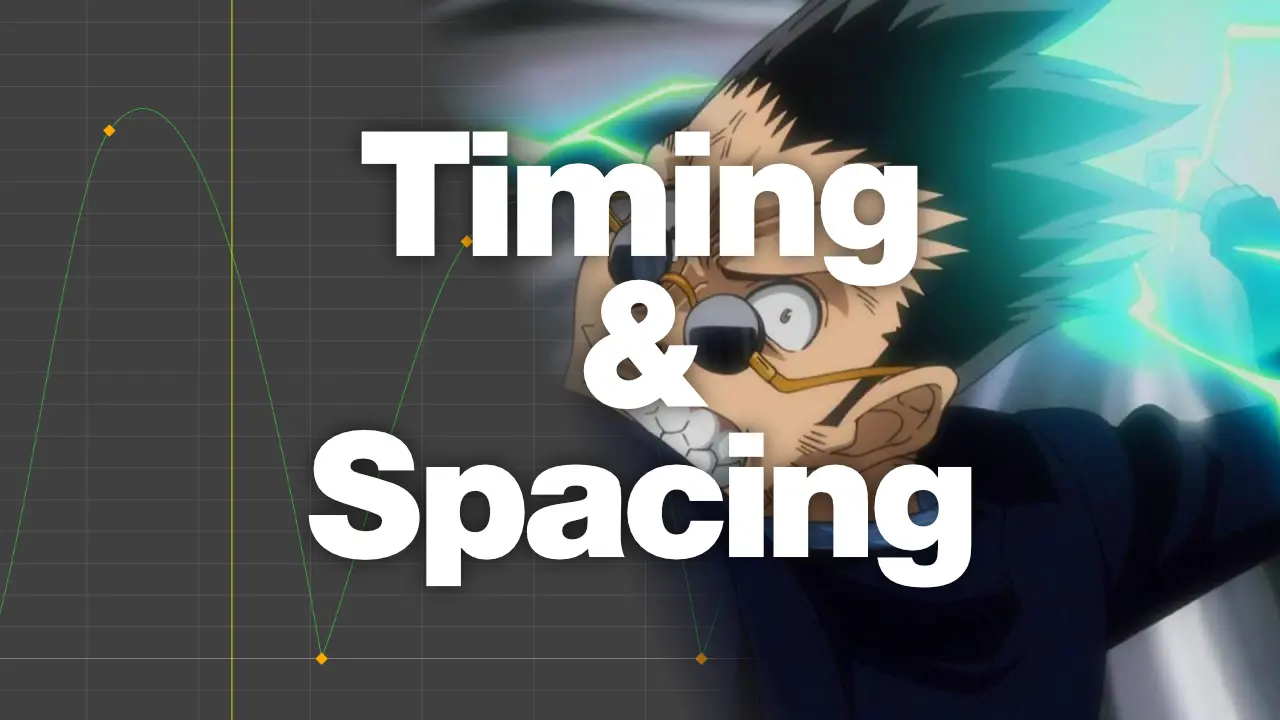
Timing & Spacing
Timing and Spacing in Animation: Why Spacing Is So Important
Every animation textbook pairs them together. Spacing and timing....
Procedural Animation
There's a moment every game animator knows. You've just finished a beautiful walk cycle. The foot plants are perfect, the weight reads ...

1st-Person vs 3rd-Person Animation
When people starting out in game animation ask which style they should focus on first, most seem to assume it doesn't really matter. An...
The 12 Principles of Animation, Reframed for Games
Frank Thomas and Ollie Johnston, circa 1995.Image courtesy IMDB.
Almost every animator who comes up through formal training gets the ...