















The Human Element
Behind every layoff announcement is a name, a family, a mortgage, a dream that got someone into game development in the first place. That’s easy to forget when the headlines reduce thousands of careers to a percentage and a press release.

One of the most painful details to emerge from Epic Games’ latest round of cuts (over 1,000 jobs announced in late March) was the story of Mike Prinke, a laid-off employee fighting terminal brain cancer. His family shared publicly that the layoff stripped him of both his health insurance and his life insurance. CEO Tim Sweeney pledged on social media that Epic would personally resolve the situation. That they had to be publicly shamed into it says something. That it happened at all says more.
But Epic is far from alone in making headlines for the wrong reasons.
A Crisis that Spans the Whole Industry
What started in 2022 as isolated restructuring has turned into a full-blown contraction across the entire industry. The studios lost read like a roll call of beloved names: Monolith Productions, Bluepoint Games, Arkane Austin, Sanzaru Games, The Initiative, Ready at Dawn, Volition, London Studio, and more. Over 30 studios in total have laid off their entire staff and shut down.
Embracer Group cut its headcount from over 15,000 to under 8,000, closed or divested 44 internal and external studios, and cancelled 80 game projects. Ubisoft has been in an almost continuous state of restructuring since 2022, closing studios in Halifax and Stockholm, making redundancies across Massive Entertainment and RedLynx, and cancelling six games in a single announcement in January 2026 alone. Even the teams behind Battlefield 6, despite the game being the best-selling title of 2025, still saw layoffs domino through their development structure.
2026 has brought no relief. A GDC survey found that around 28% of respondents worldwide reported being laid off, with roughly half saying their current or most recent employer had conducted layoffs in the past 12 months. Layoffs have become so normalised that many developers now brace for them as a standard part of the cycle.
What’s Driving It?
The honest answer is several things colliding at once. The COVID-era gaming boom created a hiring surge that was never going to be sustainable. When growth slowed, companies that had massively expanded found themselves burning through cash with no path back to profitability. Sweeney himself named the industry-wide forces at play: slower growth, weaker consumer spending, current consoles selling below last-generation figures, and games competing for attention against other increasingly engaging forms of entertainment.
Live-service games, which depend on keeping players engaged month after month, have been especially exposed. When player habits shift (as they have), with platforms like Roblox now surpassing Fortnite in average daily playtime, studios that built their entire financial model around a single title find the ground suddenly disappearing beneath them.
The Opportunity for Tighter, Leaner Teams
It would be dishonest to look for a silver lining that erases the very real suffering these waves of cuts has caused. But structurally, the contraction at the top of the industry does create real opportunity for the organizations and people positioned to fill the gaps.
 When major publishers cut headcount aggressively, their development pipelines don’t shrink proportionally, work still needs to get done, and that often means turning to external partners. Co-development studios become essential infrastructure during these periods. Studios like Rekindled are built precisely for this moment: a team that can flex across the full production pipeline, from character design and concept art through to implementation and delivery, without the overheads that make large, internal teams financially unsustainable. For publishers navigating a leaner era, that kind of partner is increasingly valuable.
What this Means for You, as an Animator
If you’re an individual animator watching the job boards and feeling the squeeze, the reality is that competition for roles is intense. By 2025, approximately 26% of European game developers had been laid off at least once, and salaries fell across a number of roles due to high competition. That’s the hard truth.
But hard markets reward those who stand out, and the best way is through craft. A reel that demonstrates genuine range, technical precision, and a strong expression of character will always cut through, regardless of how many applications a studio receives.
That’s exactly what anim.works is here for. Whether you’re looking to sharpen your basics, explore new techniques and looks, or build the kind of reel that makes a hiring director stop scrolling, our resources are designed to help working animators grow, at any stage of their career.
The games industry will find its footing again. The question is whether you’ll be ready when it does.
Related posts

Long Productions
Pacing Yourself (and Your Team) Across a Long Production
Every production has a version of the same idea: that the real pressure is at ...
Tight Deadlines
Surviving Tight DeadlinesEvery animator eventually meets the schedule that doesn't care how good your work is, only how fast it ships. ...
Animating, exploring, starting over for twenty years
After twenty years in an animation career, Vanessa Rufra reflects on passion, burnout, starting over, and what truly keeps you moving forward in this industry.
Rigging and Animation
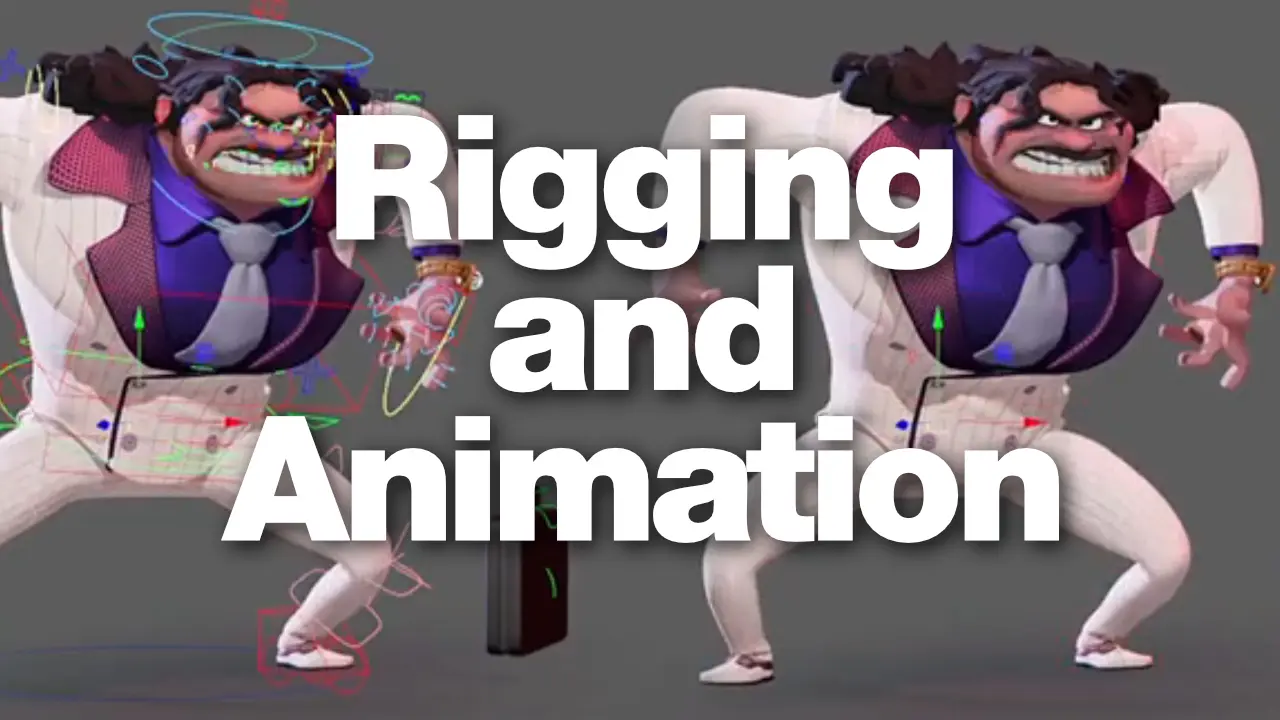
Rigging and Animation: a SymbiosisOn a production, the animation department is going to spend a meaningful amount of time interacting w...
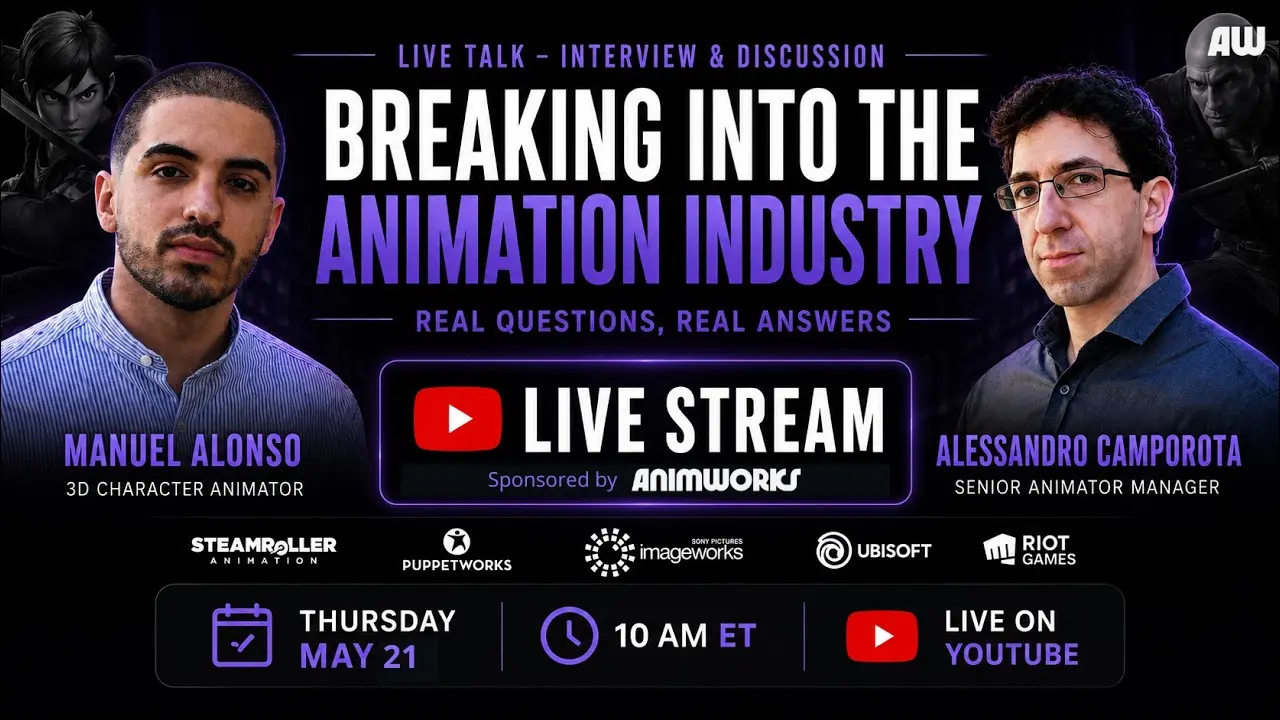
Meet the Speakers: How to Break Into the Animation Industry

For anybody out there that is trying to break into the animation industry right now, this one is for you. This Thursday, May 21 at 10 A...

AI in Game Animation Won’t Replace Animators – But Ignoring It Will
AI is changing game animation. It won't replace skilled animators, but the ones who ignore these tools are taking an unnecessary career risk. Here's an honest breakdown of what's actually happening.

How to Build a Game Animation Showreel That Actually Gets You Hired
Most game animation showreels fail not because of weak animation, but because they're poorly structured, too long, or unfocused. Here's how to build a reel that hiring managers actually want to watch.

How to Future-Proof Your Game Animation Career: The Skills Studios Are Hiring For in 2026
The games industry is shifting fast. Here are the skills that studios are actually hiring for in 2026, and how game animators can build a career that stays relevant through the change.

AI Motion Capture for Games in 2026: What Every Animator Needs to Know
AI mocap tools have made motion capture accessible to every game animator. Here's a practical breakdown of Autodesk Flow Studio, Rokoko, and Motorica, and how to choose the right approach for your project.